Understanding Luck in Gambling
Luck plays a pivotal role in the world of gambling, particularly in games characterized by chance, such as slots and roulette. These games are designed to rely primarily on random outcomes, meaning that no amount of skill can influence the result. Players often find themselves placing bets based solely on intuition or emotional responses rather than strategy. For those seeking an added thrill, this is where a secure online casino with fast withdrawal options can enhance the gaming experience. As such, luck becomes a controlling factor, driving a significant portion of the gaming experience in casinos.
Furthermore, the element of luck is what makes these games enticing to many. The thrill of hitting the jackpot on a slot machine or winning a spin of the roulette wheel can be exhilarating. This reliance on chance can lead to unexpected victories, capturing the imagination of players who chase the rush of potentially life-changing wins. However, this unpredictability can also result in considerable losses, illustrating the fickle nature of luck in gambling.
The complexity of luck extends beyond the games themselves. Many players believe they have “lucky” strategies or rituals that enhance their chances, despite the fact that outcomes remain inherently random. This psychological aspect can influence betting behavior significantly, as players often cling to the idea that luck can be harnessed or manipulated. Ultimately, while luck undeniably plays a crucial role, it also highlights the risks involved in pursuing gambling as a source of entertainment or financial gain.
The Influence of Skill on Game Outcomes
While luck is crucial, skill can also significantly impact success in various casino games, particularly in those that require strategy and decision-making. Games such as poker, blackjack, and baccarat are prime examples where players can use skills to improve their odds. Understanding the rules of the game, knowing when to take risks, and employing strategies such as card counting can lead to positive results over time. In these games, the knowledge and experience of the player can be the distinguishing factor between winning and losing.
Players who invest time in learning the nuances of their chosen games often find themselves at an advantage. For instance, in poker, a skilled player may consistently outsmart opponents through a combination of psychological tactics, behavior reading, and risk assessment. This strategic edge transforms the game from a mere gamble of luck into a battle of wits, where skill can lead to sustained success and higher earnings. This dynamic illustrates how skillful players can leverage their knowledge to mitigate the randomness introduced by luck.
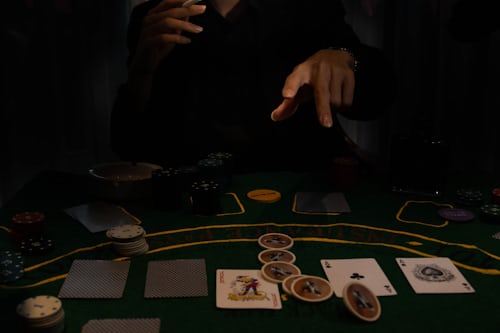
Moreover, skillful play can create a more enjoyable gaming experience, as players often feel a sense of control and accomplishment when employing effective strategies. This empowerment can foster a deeper connection to the game and encourage players to engage more frequently. As a result, while luck may guide the initial outcomes, skill can pave the way for long-term success in the casino landscape.
The Balance Between Luck and Skill
The interplay between luck and skill is a complex one, with many players oscillating between relying on one or the other based on their game of choice. In purely luck-based games, it’s essential for players to understand that while they may win big on occasion, consistent success is unlikely without the intervention of skill. Conversely, in skill-based games, relying solely on skill without acknowledging the role of luck can lead to underestimating the inherent risks involved.
This balance is critical for every player to grasp. Approaching games with the mindset that luck and skill contribute in varying degrees can enhance their gaming experience. For example, a player might spend time honing their strategies in poker while also accepting that a poor hand can derail their ambitions. Recognizing this blend helps in maintaining a healthy relationship with gambling, minimizing the risks of chasing losses or developing unrealistic expectations.
Ultimately, the ideal approach is to cultivate a responsive strategy that acknowledges the role of luck while also emphasizing skill development. This duality allows players to maximize their chances of success while remaining grounded in the realities of the gambling environment. By embracing both elements, players can create a more holistic understanding of their gaming endeavors, leading to a more fulfilling experience.
Psychological Aspects of Luck and Skill
The psychological factors surrounding luck and skill in casino games cannot be overlooked. Players often experience cognitive biases that affect their perception of luck and ability. For instance, the “hot streak” phenomenon can influence players to believe they are on an upward trajectory when fortune favors them, even if it is merely a statistical anomaly. This can lead to overconfidence, prompting players to make riskier bets than they normally would.

On the other hand, players who believe they are unlucky may quickly become disheartened and skeptical of their skills, even if they are making sound decisions. This mindset can result in a vicious cycle where losing leads to more losses, as emotional reactions cloud judgment. Understanding the psychological components of gambling can empower players to make more rational decisions, striking a balance between recognizing the role of luck and applying their skills effectively.
Moreover, the environment of a casino plays a significant role in shaping players’ perceptions of luck and skill. The excitement, ambiance, and social aspects of gambling can amplify emotions, leading to decisions that may not align with a player’s strategic thinking. By cultivating awareness of these psychological influences, players can better navigate their experiences, aiming for thoughtful play that takes both luck and skill into account.
Conclusion: Embracing the Journey of Gambling
In conclusion, the ongoing debate of luck versus skill in casino success paints a complex picture of the gambling experience. While luck is an undeniable force that can bring unexpected wins and losses, skill provides players with the tools to navigate games more effectively, especially in strategy-based settings. Balancing both concepts enhances one’s approach to gambling—embracing the thrill of chance while also honing skills that promote a higher likelihood of success.
Whether you’re engaging in a game of chance or employing strategies in skill-based competitions, recognizing the roles that both luck and skill play allows for a more enriching and responsible gaming experience. By understanding the intricacies of both elements, players can enjoy the excitement of the casino while also being mindful of the risks involved. Ultimately, the journey of gambling can be both thrilling and educational, fostering an appreciation for the game, the players, and the very nature of chance.
For those seeking a deeper understanding of the balance between luck and skill in gambling, our website offers insights, strategies, and resources dedicated to enhancing your gaming knowledge. With a focus on providing comprehensive information, we aim to equip players with the necessary tools to navigate the casino landscape intelligently and responsibly. Join us on this journey as we explore the fascinating world of gambling in greater detail.